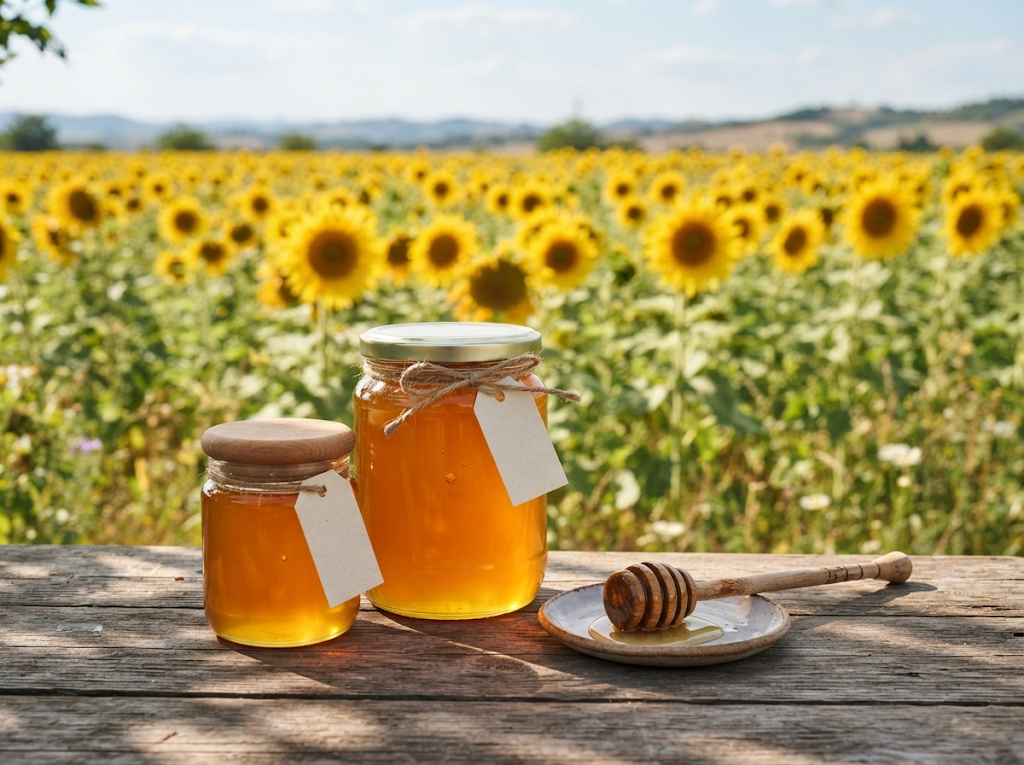
Across the plains of central Ukraine, bees work through endless fields of sunflowers, acacia and buckwheat, and the country has become one of the largest honey producers in Europe. Family apiaries that once sold jars at the local market now export by the container to Germany, Britain, the United States and the Gulf. Honey looks simple, but an importer will ask for lab results, origin proof and a label that follows the rules of the destination country before a single jar crosses the border. This article shows how Ukrainian honey producers can prepare English documents that open doors and keep them open.
Telling Buyers Where the Honey Comes From
Origin is the first question. Describe the region, the type of flowers, the season of harvest and the way the honey is extracted and stored. Give the apiary a name and a short story, and add photographs of the hives. A buyer who can see the work is more willing to pay a fair price. Use clear terms such as raw, filtered, creamed or blended, and make sure each one reflects the real process.
Laboratory Analysis and Certificates
Importers often request reports on moisture, sugar profile, diastase activity, HMF level and residues. Each report should include the sample date, the method and the result with units. Certificates of origin, veterinary certificates and quality management documents may be required as well. Keep numbers exactly the same in every language version, and attach the original scan to the translation so that customs officers can compare them.
Labels and Legal Wording
Product labels must state the name of the product, the net weight, the country of origin, the lot number, the best before date, the producer and the storage conditions. Rules vary between markets. In the European Union, for example, the country of origin must be given in a specific way for blends. The Food and Agriculture Organization offers general information on honey standards and food safety at fao.org, which helps producers to understand the wider framework.
Choosing a Translator for Official Papers
Many exporters rely on a relative who studied English, and that works until a certificate is rejected. A provider of ukrainian translation service can deliver certified versions of laboratory reports, permits and contracts, and can keep the style steady across all documents. Send the translator the original files, a glossary of beekeeping terms and the list of names exactly as they appear in your registration. Ask for a certified copy where an authority requires one.
Contracts, Prices and Delivery Terms
An export contract states the product, the quantity, the price, the payment, the packaging, the delivery date and the way disputes are solved. Use the correct trade term, such as FCA or CIF, and explain what it means in practice. Agree on how samples are approved and what happens if the lot does not match the sample. Have a lawyer review the English text, and keep a signed copy of both versions.
Packaging and Product Safety Notes
Jars, buckets and drums carry handling instructions, storage advice and sometimes allergen statements. Make sure each notice is short and easy to read. For wider background on how language duties apply to consumer goods, see our article on GPSR translation requirements, which explains why the buyer must be able to read safety information in a language they understand.
Selling Online to Consumers
Small producers increasingly sell through online shops and marketplaces. A good product page includes a clear title, the weight, the type of honey, a short taste description, the origin and photographs of the jar. Avoid medical claims, because many countries restrict them. Describe the flavour in plain terms, such as light, floral or dark and malty, and explain how to store the honey and why it may crystallise.
Trade Fairs and Buyer Meetings
At food fairs, a buyer may taste five honeys in ten minutes. Prepare a one page sheet for each product with the type, the origin, the price per kilo and the minimum order. Use the same product names in the sheet, the samples and the website. A small tasting card with a short story about the apiary helps buyers remember your honey among many others.
Emails and Long Term Relationships
Most importers prefer short and precise emails. Write the main point in the first line, confirm numbers and dates and answer within one working day. When a delivery is delayed, tell the buyer early and propose a solution. Honest communication builds trust, and trust builds repeat orders, which matter more than a single large sale.
Sustainability and Bee Health
Buyers increasingly ask about how bees are kept, how hives are moved and what treatments are used. Prepare a short English statement that describes your practices without exaggeration. Photos of the apiary and a brief note about local flowers show care. Keep records, because a claim without records can harm the reputation of the entire brand.
Keeping the Paper Trail Sweet
Keep a file for each harvest with the lab reports, certificates, labels and contracts in both languages. Review them before every season and correct small errors early. When the paperwork is as pure as the honey, buyers see a producer who can be trusted, and they come back for the next harvest.